How Much Does Church Insurance Cost?
Ministry Insured · · Updated
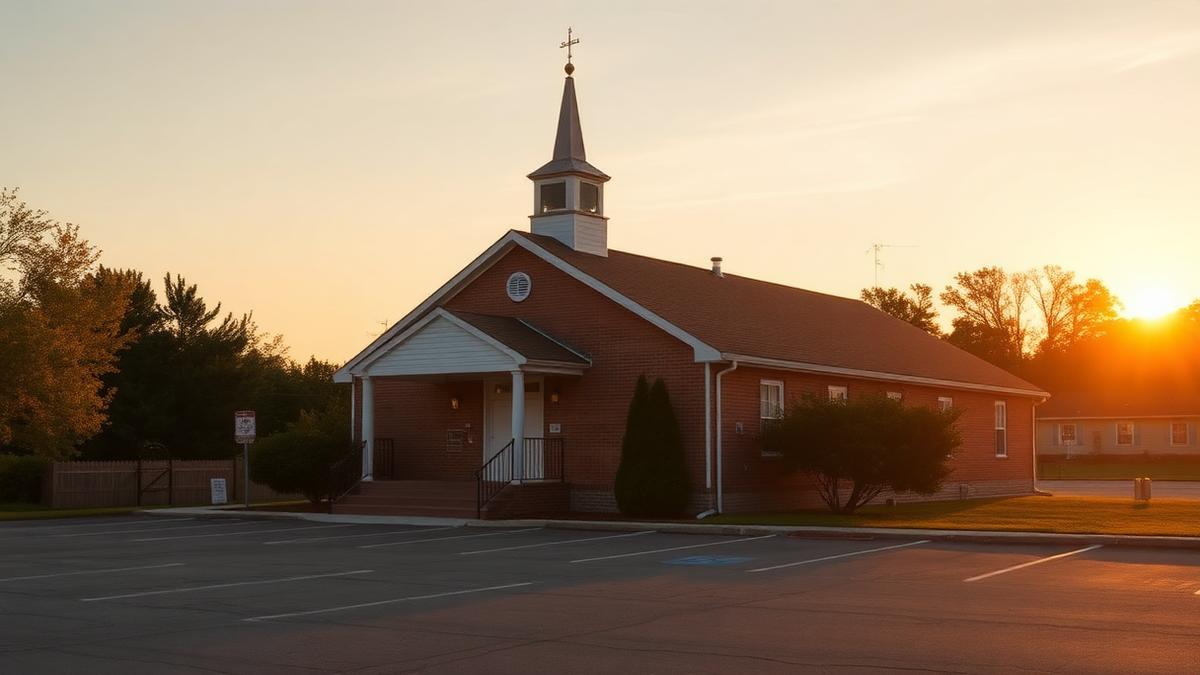
"How much does church insurance cost?" is the first question most ministry leaders ask us — and the honest answer is that it depends on a handful of measurable factors. Below is a plain-English guide to what drives the number, what typical ranges look like, and where ministries most often overpay or under-insure.
Typical ranges
Most small congregations (one building, under 100 members, no school or daycare) land in the $1,500 to $4,000 per year range for a package policy combining property and general liability. Mid-size churches with a larger campus, vans, or a preschool commonly run $5,000 to $15,000 per year. Large multi-site ministries, schools, and organizations with camps or counseling programs go well beyond that. Treat these as orientation, not a quote — two churches on the same street can differ by thousands based on the factors below.
1. Building value and construction
Property is usually the largest single piece of the premium. Carriers rate on replacement cost — what it would take to rebuild today — not market value or the number on your last appraisal. Masonry and non-combustible construction, sprinklers, updated roofs, and modern wiring all lower the rate. Historic sanctuaries with stained glass, timber framing, pipe organs, or steeples cost more to insure because they cost more to restore.
2. Location
Fire protection class, distance to a hydrant and fire station, crime rate, and catastrophe exposure (wind, hail, flood, wildfire, earthquake) all feed the rate. A coastal church and an inland one with identical buildings will not pay the same. Flood is almost never included in a standard package and is priced separately.
3. Liability limits and program exposure
General liability is priced on what your ministry actually does. A congregation that worships on Sunday and hosts a midweek study is a very different risk from one running a daycare, K-12 school, summer camp, food pantry, shelter, sports league, or overseas mission trips. Youth programs and any activity involving minors carry the heaviest scrutiny. Raising limits from $1M/$2M to higher umbrella layers adds cost, but usually far less per dollar of protection than the primary layer.
4. Sexual abuse and molestation coverage
This is often the difference between an adequate policy and a catastrophic gap. Some carriers sublimit it or exclude it entirely. Ministries with documented screening, background checks, two-adult rules, and abuse-awareness training earn better terms — and in many cases carriers require the training before offering full limits.
5. Vehicles and drivers
Church-owned vans and buses, driver ages and MVRs, and 15-passenger van use all move auto premium significantly. Hired and non-owned auto coverage for volunteers driving personal cars is inexpensive and frequently missing.
6. Workers' compensation and staff
Payroll size, clergy status, and job classifications drive workers' comp. Many states treat ministers differently from lay employees, and volunteers are often not covered by default — a common and expensive surprise after an injury.
7. Directors and officers liability
Board decisions, employment practices, and membership disputes are not covered by general liability. D&O is typically a modest add-on relative to the exposure it addresses.
8. Deductibles, claims history, and credits
Higher deductibles lower premium. Prior claims — especially water damage, roof losses, or liability claims — raise it. Credits are available for alarm systems, water sensors, background screening programs, safety committees, and multi-policy packaging.
Where churches overpay
The most common mistake is insuring to an outdated building value. Under-insuring triggers coinsurance penalties at claim time; over-insuring means paying for coverage that will never be paid out. The second most common is buying on price alone and discovering an abuse sublimit, a cosmetic roof exclusion, or an actual-cash-value roof endorsement after a loss.
How to lower your cost without cutting protection
Update your statement of values annually. Document your safety program and background check process. Bundle property, liability, auto, and workers' comp with one specialty carrier. Consider a higher property deductible if your reserves support it. And place your program with carriers that specialize in houses of worship — GuideOne, Church Mutual, Brotherhood Mutual, and similar markets price ministry risk more accurately than generalist carriers.
Get a real number
Ranges are useful; a quote is better. Ministry Insured, a division of Emery & Webb, Inc., reviews your buildings, programs, and current policy and returns an apples-to-apples comparison across specialty ministry carriers. Call 800-318-6717 or use our contact form to get started.